Sixteen students from Ghana. Two weeks in Mauritius. One challenge: How can young people develop the leadership skills to tackle some of the world’s most complex problems?
In July 2026, the African Leadership College of Higher Education (ALCHE), welcomed 16 students aged 14 to 17 from Ghana to its Mauritius campus for the International Leadership Core Bootcamp. The Bootcamp was built around a simple idea: Complex problems are rarely solved by one person. They require people who can lead themselves, work with others, and turn ideas into action.
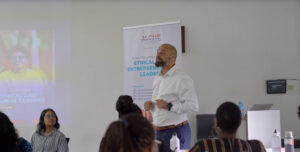
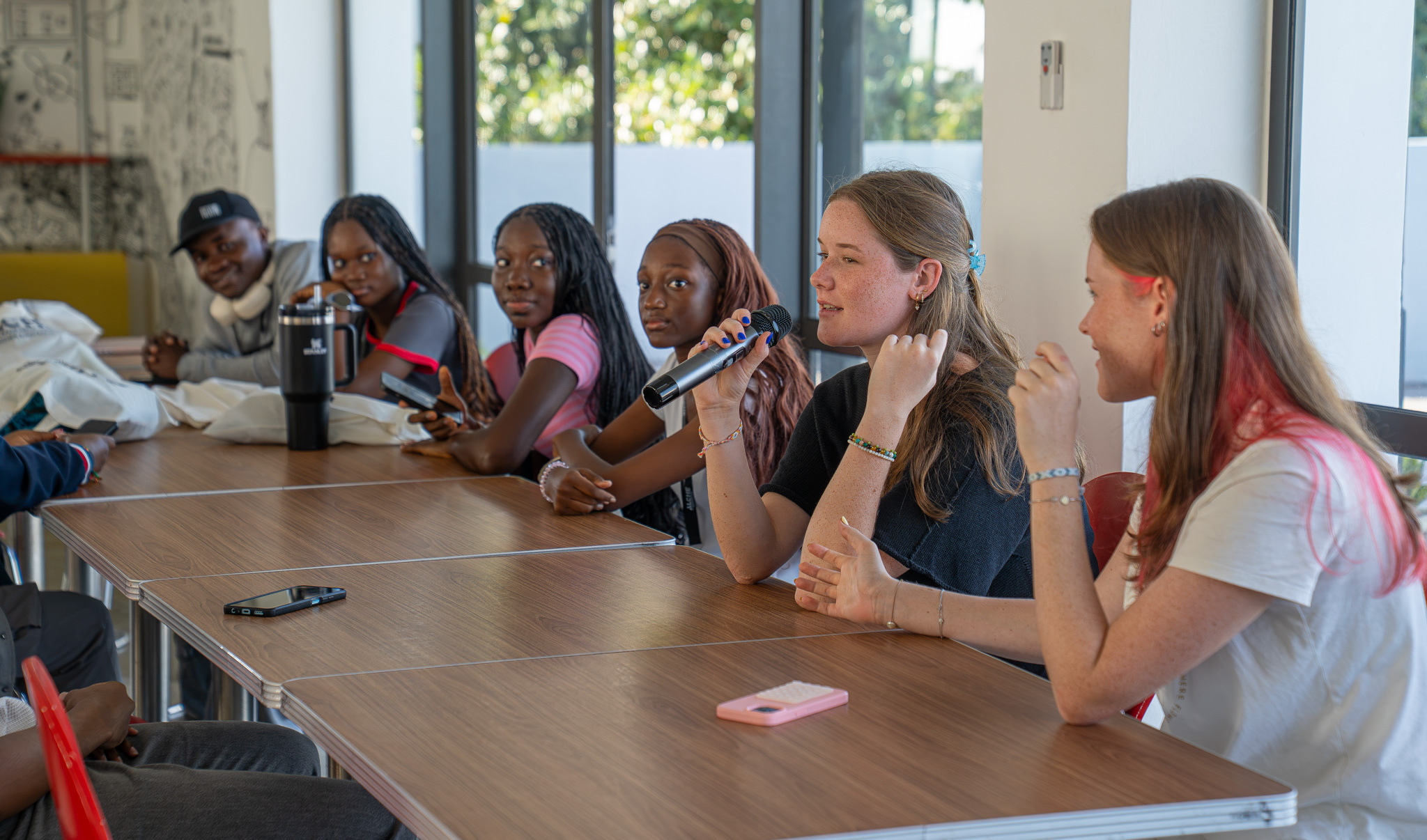
Over two weeks, students explored Grand Challenges and Great Opportunities (GCGOs), complex problem-solving, leadership, and entrepreneurship—not just in the classroom, but through hands-on experiences that challenged them to apply what they were learning. Starting with the big problems. The Bootcamp began with Grand Challenges and Great Opportunities (GCGOs). Students explored some of the major challenges and opportunities facing Africa and the world and then chose problems they cared about. They researched these challenges, questioned assumptions, and worked to understand why complex problems rarely have simple solutions.
But understanding the problem was only the beginning. Students were challenged to think about their own role in creating change. One student captured that journey simply:
“I came here without a mission, and I am leaving with a mission. That basically sums it up. I really loved this experience, and I would love to relive this Bootcamp a million times over again. Who knows, maybe you will see me here after I complete high school.”
Complex problems are rarely solved by individuals working alone. They require people with different perspectives, skills, and experiences working together. That is where leadership became practical. Students explored the idea that leading others starts with leading yourself, understanding your strengths, values, purpose, and how you show up when working with others.
They then had to put those ideas into practice. Working in teams meant listening to different perspectives, communicating ideas, making decisions, navigating disagreements, and moving towards a shared goal. Leadership was no longer just something to discuss. It became something to practice.
From problems to tangible solutions
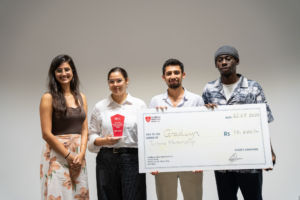
The final challenge was to move from thinking to building. Working in teams, students took the GCGOs they had chosen and began developing possible solutions. They applied complex problem-solving and entrepreneurial thinking to turn their ideas into tangible prototypes. The Bootcamp culminated in final pitches, where teams presented the solutions they had developed. In two weeks students had moved from exploring complex global challenges to researching problems, working together, developing ideas, building prototypes, and pitching solutions. They had experienced the full journey from problem to possibility to action.
Learning beyond the classroom
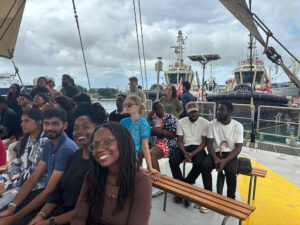
The experience also took students beyond traditional classroom learning. An Ocean Immersion experience brought sustainability and environmental challenges to life within Mauritius’s marine environment. Students also experienced robotics (using technology and automation to solve problems) , leadership networking, team activities, and campus life, adding different dimensions to their exploration of leadership and problem-solving.
For one student, the learning environment itself stood out:
“The school is very modern and provides so much space for students to be creative. It also trains students to find their mission and do something meaningful with their lives, both in school and after school.”
These experiences gave students space to learn, experiment, connect with one another, and imagine new possibilities for their futures.
Two weeks that opened new possibilities
The International Leadership Core Bootcamp was not about giving students answers to the world’s biggest problems. It was about showing them that they can begin engaging with those problems now. They can understand themselves. They can work with others. They can question assumptions. They can build ideas. And they can turn those ideas into action.
Sixteen students arrived in Mauritius ready to learn. Two weeks later, they left having experienced what it means to lead, build, and tackle problems that matter.